









More from our Louvre day: the overview · the Denon wing

A Greek goddess, a giant sphinx and a castle wall: the Louvre Sully wing fits them all under one roof.
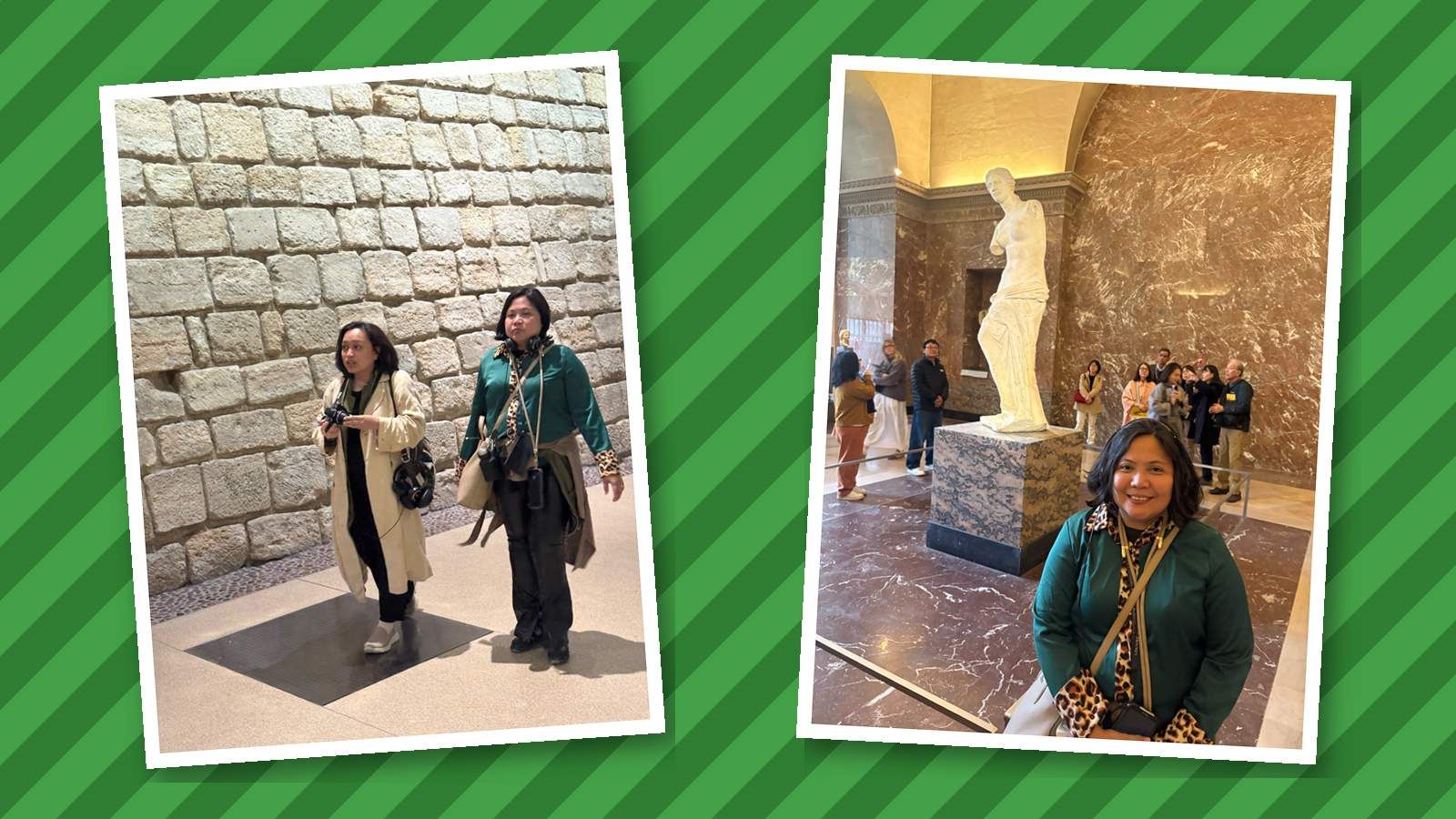
Venus de Milo: famous for what’s missing
She was found on the Greek island of Melos (Milos) in 1820. The French ambassador bought her almost immediately, and by 1821 she was in the Louvre. When she arrived, someone suggested restoring her arms. The idea was dropped for fear of changing the statue. Fun detail: she’s carved in separate blocks, and the join at her hips is hidden in the drapery.
Marble and display cases
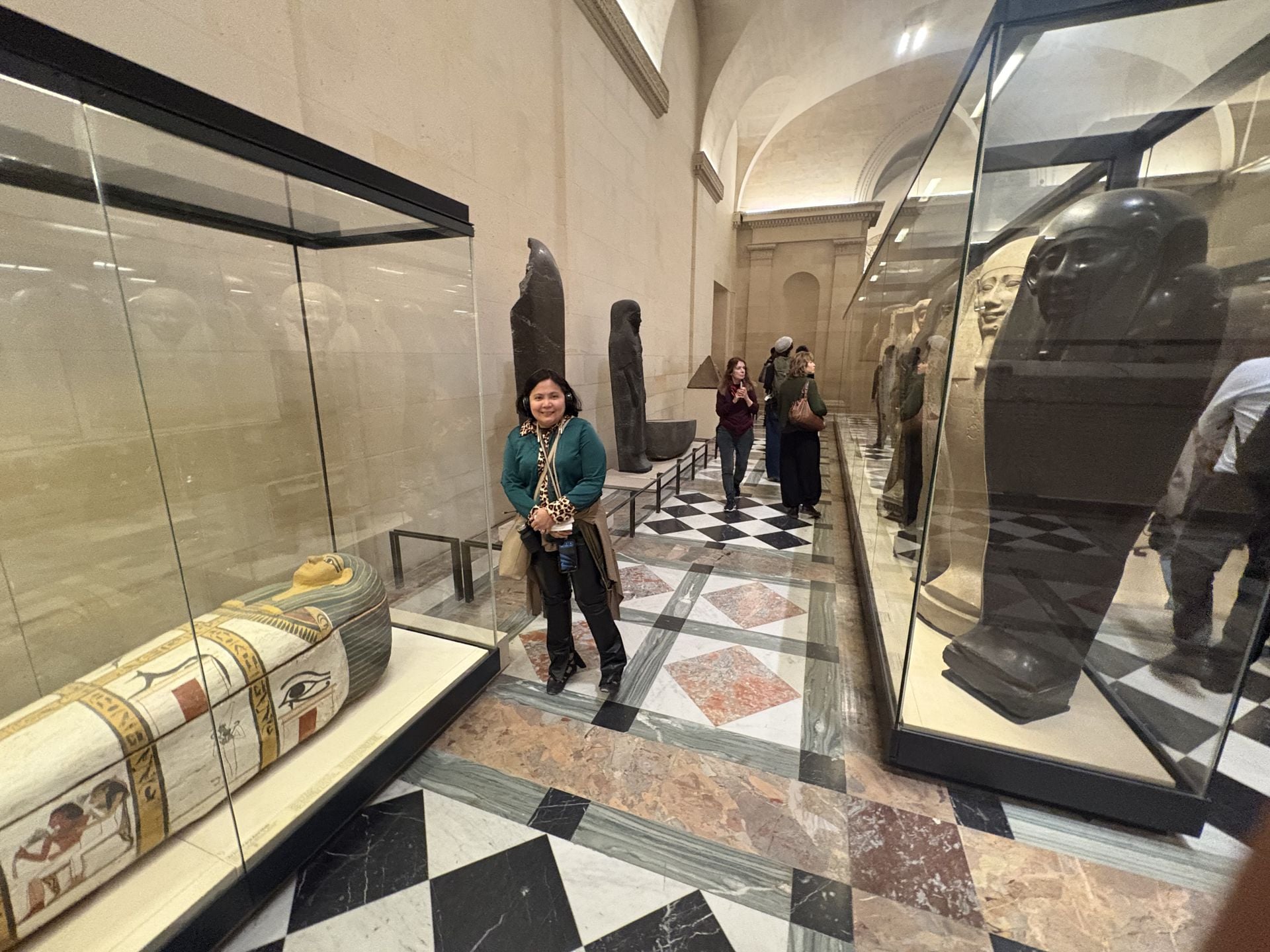
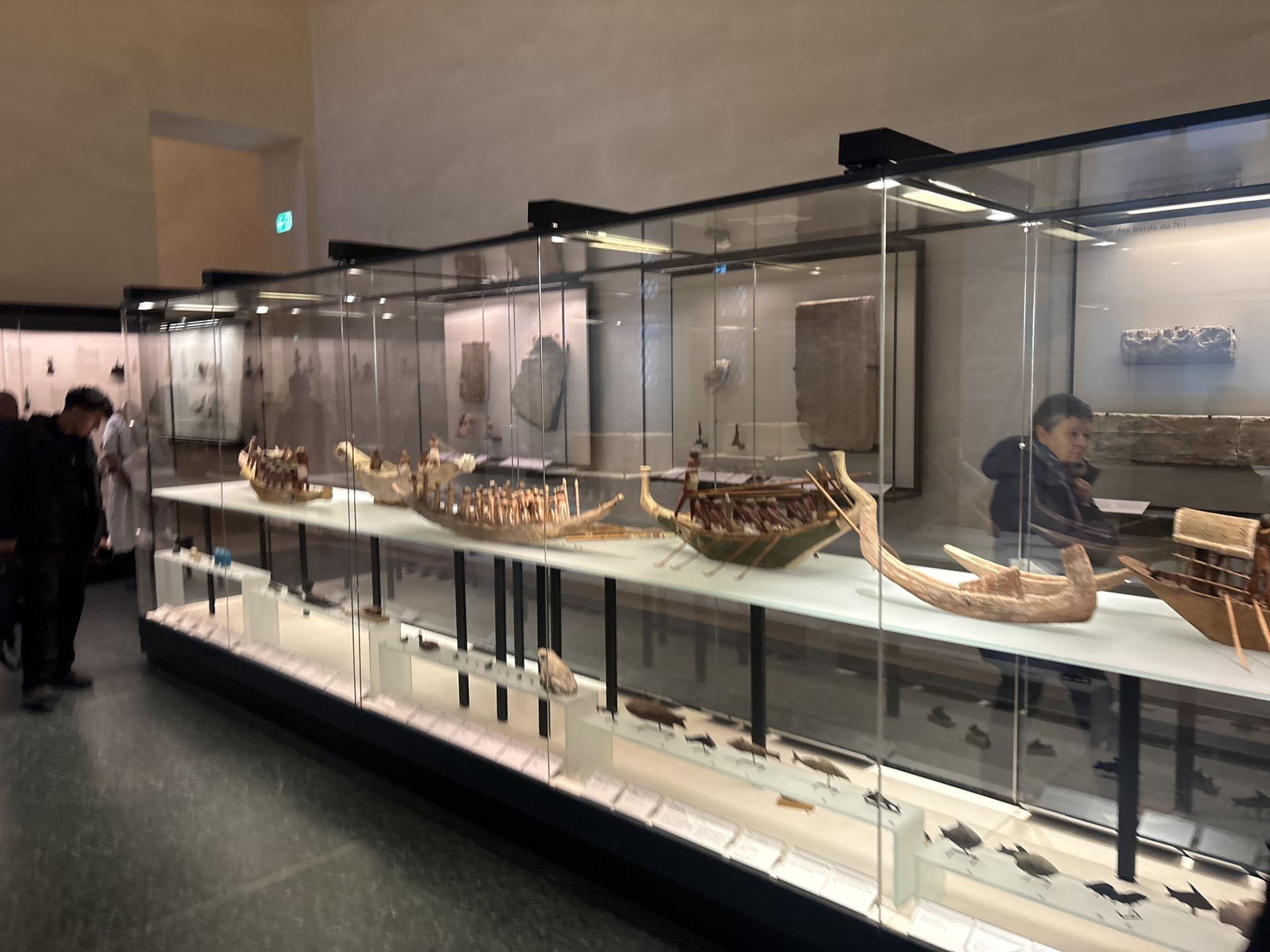
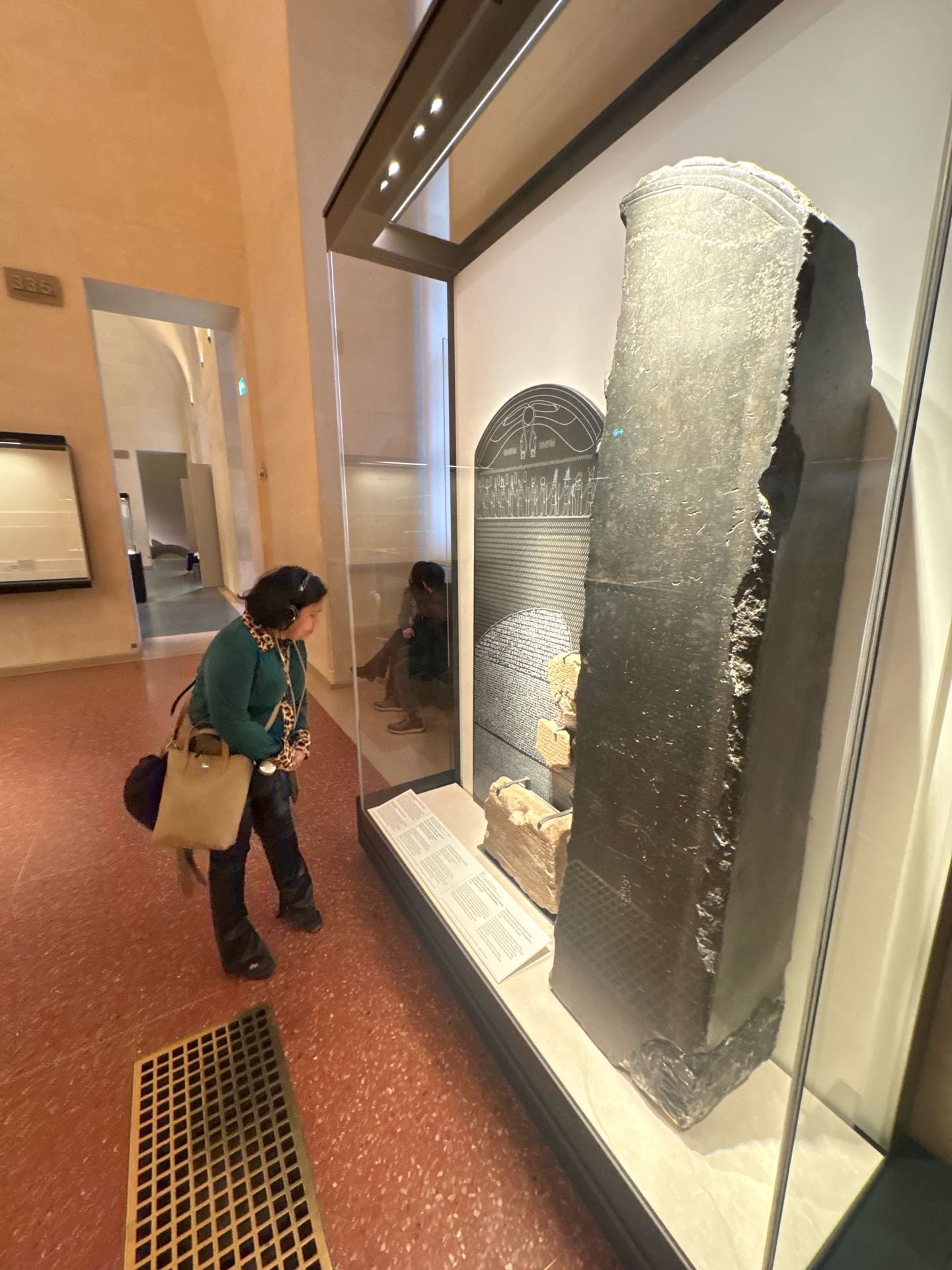
The Nile, as a lazy river god
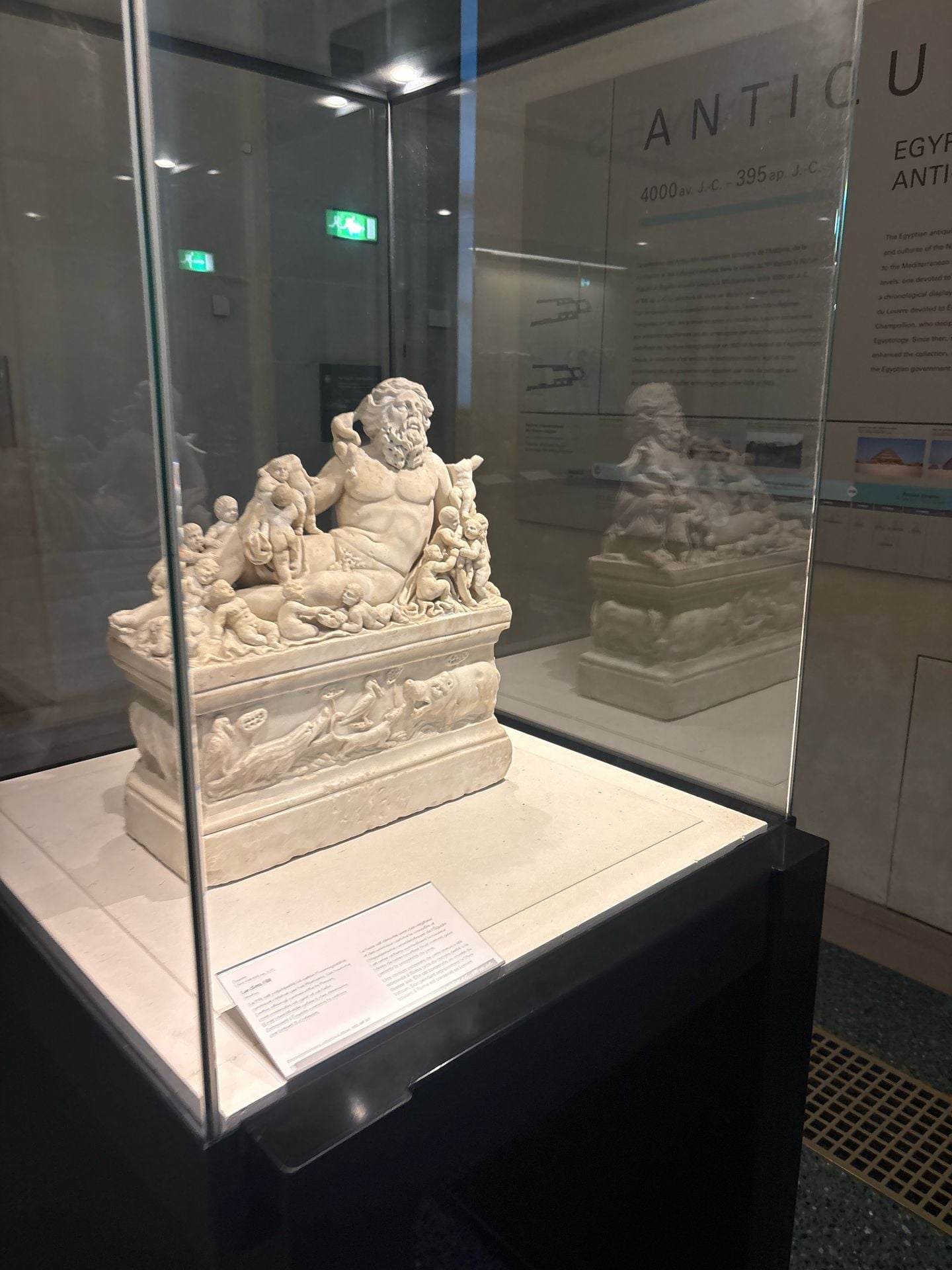
The Nile is shown as a relaxed, reclining old god. He leans on a sphinx and holds a horn of plenty. Tiny children clamber all over him and play with crocodiles and a hippo. It’s a Roman marble copy of an original from Alexandria. The children stand for the cubits of the Nile’s flood, the rise that meant a good harvest.
The Great Sphinx of Tanis

It’s carved from pink granite and it’s huge. The best story is how often it was “rebranded”: later pharaohs, including Merenptah and Shoshenq I, added their names to it. It was found at Tanis in the Nile Delta and came to the Louvre in the 1820s.
The medieval Louvre: the castle under the museum

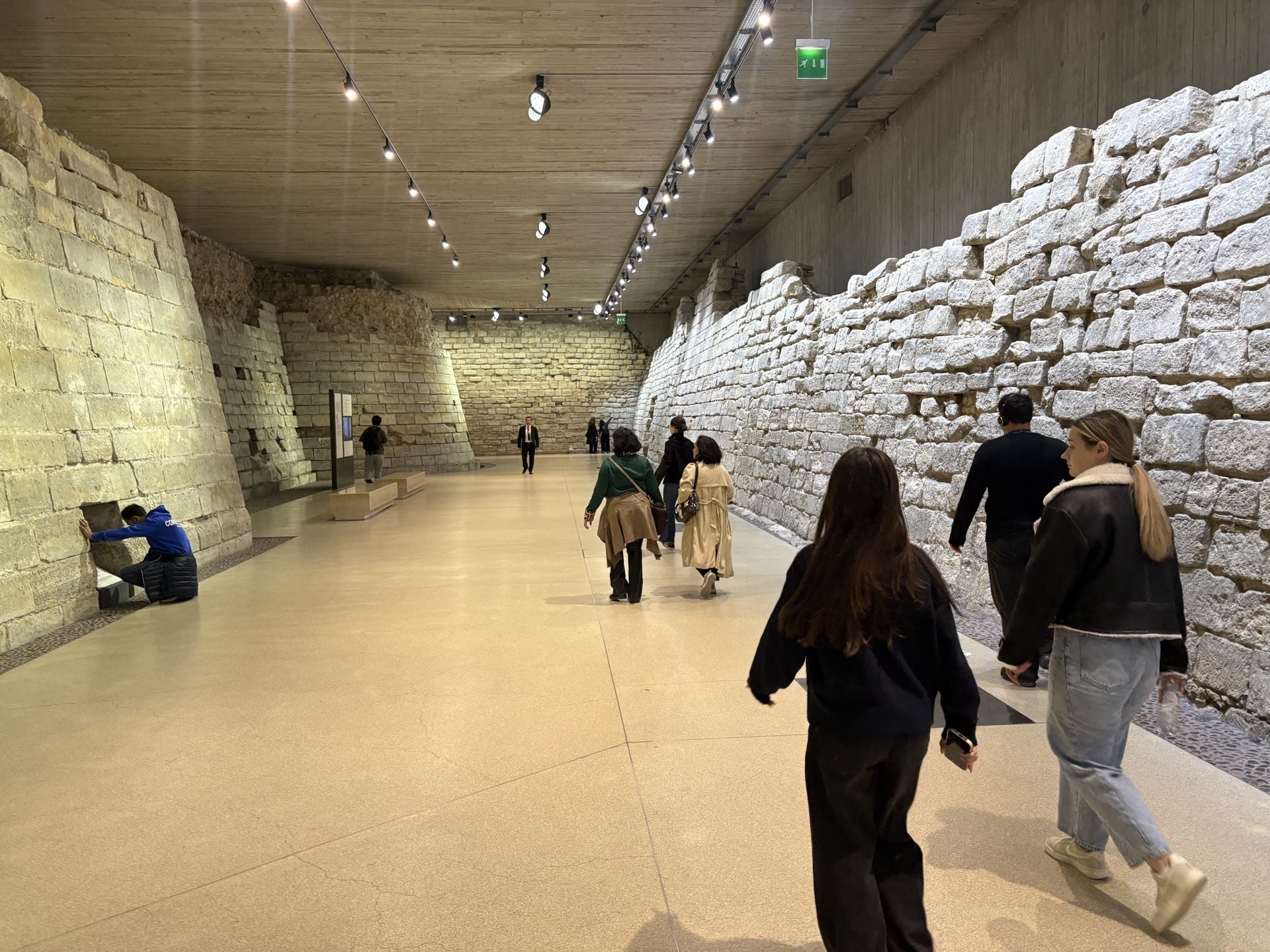
This is the Louvre before it was the Louvre. Philippe Auguste’s fortress dates from around 1190. A water-filled moat ran around the outer walls and a dry moat surrounded the great round keep. Today you can walk right beside the original stone.
FAQ
Where is the Venus de Milo?
On the ground floor of the Sully wing, in the Greek galleries.
Why doesn’t the Venus de Milo have arms?
They were already missing when she was found in 1820. Restoring them was suggested and then dropped.
Where can I see the medieval Louvre?
On the lower level of the Sully wing, beside the fortress walls.
What is the Great Sphinx of Tanis?
A colossal pink-granite royal sphinx found at Tanis in Egypt. Several later pharaohs inscribed their names on it.
Keep reading: the overview · the Denon wing